

Posted date: Oct 14, 2025
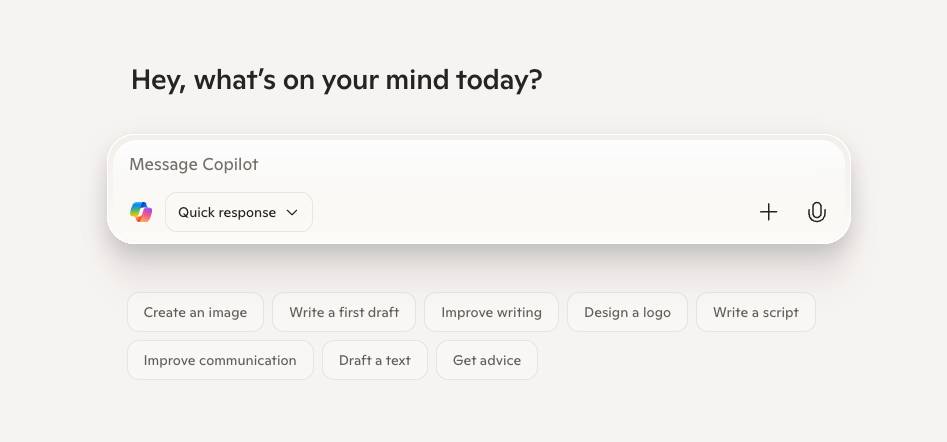
Microsoft Copilot is changing the way people work. From drafting emails and summarizing meetings to analyzing spreadsheets and generating reports, it’s quickly becoming an indispensable productivity partner inside Microsoft 365. But as employees embrace the power of Copilot, businesses are learning an important lesson: AI adoption needs guardrails.
When used without clear guidance, Copilot can unintentionally expose sensitive data, create compliance risks, or be misused by well-meaning employees. To help you get the most from Copilot while keeping your business secure, here are five key considerations for safe and responsible adoption.
1. Understand the New AI Risk Landscape
Unlike standalone AI tools, Microsoft Copilot lives inside your existing Microsoft 365 environment. It can reference data from Outlook, Teams, SharePoint, and OneDrive — which is great for productivity, but it also expands your risk surface.
For example, an employee might ask Copilot to summarize a Teams chat that includes confidential client information or request insights from a document that was never meant to be shared outside their department. Even when these actions are unintentional, they can expose your organization to data loss or regulatory breaches.
Phishing attacks increased 1,265%, driven in part by generative AI.
Source: SentinelOne
AI also introduces new types of threats, such as prompt injection and AI-generated phishing, that require updated training and monitoring practices.
AI-generated phishing takes traditional scams to the next level, using AI to create highly convincing emails or messages that mimic real colleagues or clients.
Prompt injection, on the other hand, works by tricking an AI system like Copilot into following hidden instructions buried in files or messages. These prompts can make the AI reveal sensitive data or perform unintended actions, which is why user awareness and proper access controls are so important.
2. Start with Governance and Clear Policies
Safe adoption begins with a clear AI governance framework. Every organization using Copilot should have an AI acceptable use policy that defines what’s allowed, what’s not, and who’s responsible for oversight.
This policy should include:
- What types of data can be used in prompts
- Guidelines for reviewing and validating AI-generated content
- Expectations around transparency and accountability
- A process for reporting and addressing AI-related incidents
Organizations must create clear acceptable use policies (AUP) that address what is acceptable regarding AI usage. Teams must know which tools are approved, what kinds of data can be input, and where the line is drawn.
Source: KnowB4
Strong governance doesn’t limit innovation — it empowers it. By setting boundaries early, employees gain the confidence to explore Copilot’s capabilities responsibly.
3. Train Employees for Responsible Use
Technology alone isn’t enough to keep AI secure — people play a critical role. Training your team on how to use Copilot safely is just as important as deploying the tool itself.
That includes:
- Knowing what not to include in prompts (like personal or financial data)
- Recognizing when an AI-generated answer might be inaccurate or risky
- Spotting AI-driven phishing attempts or malicious content
These skills should be part of your broader cybersecurity awareness training, extending the concept of “think before you click” to “think before you prompt.”
Cybersecurity training can reduce your organization’s risk by as much as 70%.
Source: KnowB4
4. Build Security and Compliance Into Every Step
Copilot inherits Microsoft 365’s enterprise-grade protections — but those defenses work best when properly configured. Tools like Microsoft Purview can help enforce data loss prevention (DLP) rules, sensitivity labels, and audit trails to ensure information stays where it belongs.
Organizations in regulated industries should also review how AI usage aligns with frameworks like HIPAA, SOC 2, or PCI-DSS. Proactive compliance planning today helps prevent costly mistakes later.
5. Adopt AI With Confidence
AI is here to stay — and with the right safeguards, it can become one of your organization’s greatest productivity assets.
Macro helps businesses implement Copilot securely and responsibly, from governance and training to data protection and compliance. If you need support integrating AI into your business, reach out.
Want to dive deeper into workplace safety with Copilot?
Watch our webinar, “Beyond Basics: Making Microsoft Copilot Safe for Work.